A muscular man preparing a testosterone injection, representing the importance of safe, medically supervised testosterone replacement therapy.

Why Is Testosterone a Controlled Substance? Understanding the Law and Safety

Testosterone Therapy
Nov 3rd, 2025
1
Min Read

Article / Why Is Testosterone a Controlled Substance? Understanding the Law and Safety

Testosterone plays a central role in men’s health, influencing everything from energy and focus to lean body mass and sexual vitality. However, it’s important to remember that testosterone is a controlled substance under U.S. law. (1

For men exploring testosterone replacement therapy (TRT) to address symptoms of low testosterone, this may come as a surprise. But understanding why testosterone is regulated, what the laws mean, and how to use it safely under medical supervision is essential for protecting both your health and your legal standing before you begin treatment for low T. 

In this guide, we’ll explain why testosterone is a controlled substance, how it came to be regulated, and why working with a licensed clinic such as Gameday Men’s Health ensures you are receiving safe and effective treatment.

What Is Testosterone and Why It Matters

Testosterone is the primary male sex hormone and an androgenic-anabolic steroid hormone naturally produced by the body. It drives physical, mental, and emotional well-being throughout men’s lives. Healthy testosterone levels help maintain (2):

  • Lean muscle mass and strength
  • Energy and endurance
  • Focus, motivation, and stable mood
  • Healthy libido and sexual performance

As men age, testosterone production naturally declines, often by about 1% per year after age 30. (3)  For some, this decline can lead to noticeable symptoms such as fatigue, reduced muscle tone, irritability, or low sex drive.

In these cases, testosterone replacement therapy (TRT) can be a legitimate, medically supervised treatment. TRT may help men restore healthy hormone balance, improve energy, enhance mental clarity, and provide a higher overall quality of life.

However, because testosterone can also be misused outside of a medical setting, it’s classified by the government as a controlled substance, and that distinction has important implications.

What Does “Controlled Substance” Mean?

The term “controlled substance” comes from the U.S. Controlled Substances Act (CSA), a law passed in 1970 to regulate drugs with potential for abuse or dependence. Under this law, substances are divided into five categories known as “schedules.” (4)

  • Schedule I: No accepted medical use and a high potential for abuse (e.g., heroin, LSD).
  • Schedule II: Accepted medical use but high potential for abuse (e.g., oxycodone, Adderall).
  • Schedule III: Accepted medical use with a moderate potential for abuse (e.g., anabolic steroids such as testosterone).
  • Schedule IV: Lower potential for abuse (e.g., Xanax, Valium).
  • Schedule V: Lowest potential for abuse (e.g., certain cough syrups).

Testosterone is classified as a Schedule III controlled substance, which means it has legitimate medical applications but also carries risks if misused. This scheduling ensures testosterone can only be distributed and used under the guidance of licensed healthcare professionals, such as Gameday Men’s Health.

Why Testosterone Is Classified as a Controlled Substance

Testosterone wasn’t always regulated as tightly as it is today.  Anabolic steroids, including testosterone, were often used recreationally by athletes, bodybuilders, and others seeking physical enhancement from the middle of the 20th century through the 1980s. (5)

This widespread misuse raised concerns about health consequences and unfair athletic advantages. Reports linked non-medical use of testosterone to serious side effects such as heart problems, liver damage, hormonal imbalances, and aggressive behavior. (6)

In response, the Anabolic Steroid Control Act of 1990 was passed, officially placing testosterone and other anabolic steroids under Schedule III of the Controlled Substances Act. This legislation made it illegal to possess or distribute these substances without a prescription.

Today, healthcare providers must follow strict guidelines when prescribing testosterone. That includes verifying a patient’s medical need through lab testing, documenting treatment plans, and regularly monitoring hormone levels.

The goal of this regulation is to prevent illegal distribution and misuse of testosterone, to protect patients from unsafe or contaminated products, and to ensure medical use is based on legitimate clinical need rather than performance enhancement.

These safeguards exist to balance access to effective treatment with the responsibility to prevent harm.

Legal vs. Illegal Use of Testosterone

The difference between legal and illegal testosterone use comes down to medical supervision and prescription authority.

Legal use means testosterone has been prescribed by a licensed healthcare provider based on diagnostic testing and clinical evaluation. Under this supervision, testosterone therapy is safe, controlled, and personalized to treat each individual.  Dosages are tailored to the patient’s body chemistry, and regular follow-ups ensure optimal results and minimal side effects.

Illegal use refers to taking testosterone without a prescription or buying it from unverified sources, black-market sellers, or overseas pharmacies.

Unregulated testosterone products can cause serious health and legal issues, including:

  • Contaminated or counterfeit drugs that may contain dangerous impurities or incorrect dosages
  • Hormonal disruption leading to infertility, mood swings, or testicular shrinkage
  • Legal consequences such as fines or potential jail time for possession without a prescription (7)

Some men turn to online “shortcut” sources for testosterone believing they’ll save money or get faster results than using a licensed provider. However, the reality is that unprescribed testosterone can often cause more harm than good, and could make recovering from low T that much more difficult.

Safe and Responsible TRT Under Medical Supervision

When prescribed by a licensed medical provider and properly monitored, testosterone replacement therapy can be safe and effective for appropriate candidates. The key is consistent medical oversight and individualized treatment planning.

A responsible TRT program includes:

  1. Comprehensive testing to confirm low testosterone levels and rule out underlying causes.
  2. Personalized dosing based on your unique hormone profile and goals.
  3. Ongoing monitoring to ensure healthy hormone balance and detect any side effects early.
  4. Patient education so you understand how to use testosterone safely and responsibly.

At Gameday Men’s Health, testosterone therapy is managed by licensed professionals who follow all federal and state regulations to ensure the patient’s safety. Every treatment plan is designed to restore balance naturally, using medical-grade testosterone prescribed only when clinically appropriate.

Patients receive individualized care and ongoing support so they can feel their best while staying within legal and safety guidelines. When performed correctly and with proper supervision and dosage, TRT is about bringing your body back into equilibrium and restoring T levels to their appropriate levels, not elevating them to unnatural levels.

Moving Forward with Confidence and Safety

Testosterone therapy can be life-changing for men struggling with fatigue, low libido, or decreased strength due to hormonal imbalance. But it’s crucial to approach testosterone therapy the right way — through licensed medical supervision, not self-diagnosis or online shortcuts.

By understanding what testosterone can do and why it’s classified as a controlled substance, you can make informed decisions that protect your health, follow the law, and deliver lasting results.

With that said, men struggling with low testosterone should know that there are still safe and effective options that will help you feel more like yourself again. At Gameday Men’s Health, our TRT program is built around three pillars to help men regain control over their health: clinical accuracy, personalized care, and patient safety.

If you suspect you may have low testosterone, and are looking for answers, contact your local Gameday Men’s Health location today to schedule a consultation. A quick, confidential test is the first step toward finding the right solution for restoring your energy, focus, and confidence safely.


Testosterone Cypionate

Testosterone Cypionate provides long-acting hormone support through periodic injections that maintain steady testosterone levels. This option enhances muscle strength, bone health and overall vitality. Beneficial for men with confirmed hormone deficiency and performance-focused goals.

Read More...
SEE TREATMENT
SEE TREATMENT

Oral TRT (KYZATREX®)

This bioidentical oral testosterone formulation delivers stable hormone levels designed to restore energy, mood and masculine performance. It’s an ideal option for men seeking the convenience of a pill with the clinically proven benefits of medically supervised testosterone replacement.

Read More...
SEE TREATMENT
SEE TREATMENT

Testoterone Pellets

Testosterone pellets offer a slow-release solution for consistent hormone balance over months at a time. Once implanted beneath the skin, these pellets provide steady testosterone delivery, reducing the need for frequent dosing and helping men maintain energy, mood and drive with minimal disruption.

Read More...
SEE TREATMENT
SEE TREATMENT

Sermorelin

Sermorelin stimulates your body’s natural growth hormone production, supporting lean muscle growth, enhanced recovery, improved sleep and greater vitality. Ideal for men seeking a restorative, lifestyle-focused approach to aging well and maintaining energy, strength and overall wellness.

Read More...
SEE TREATMENT
SEE TREATMENT

Tirzepatide

Tirzepatide is a dual-action metabolic therapy that supports weight control by improving insulin sensitivity, reducing appetite, and enhancing satiety.
It helps regulate blood sugar levels and supports steady fat loss when combined with proper nutrition and lifestyle habits. This option is ideal for men seeking a guided, medically supervised approach to sustainable weight-management results.

Read More...
SEE TREATMENT
SEE TREATMENT

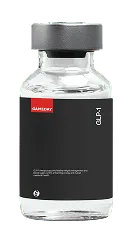
GLP-1 Therapy

GLP-1 therapy supports appetite regulation and blood sugar control to help men achieve steady, sustainable weight loss and improved metabolic health. For men who have tried diet and exercise yet still struggle with excess weight or energy dips, GLP-1 offers a medically-supervised option that aligns with performance, wellness and hormonal balance.

Read More...
SEE TREATMENT
SEE TREATMENT

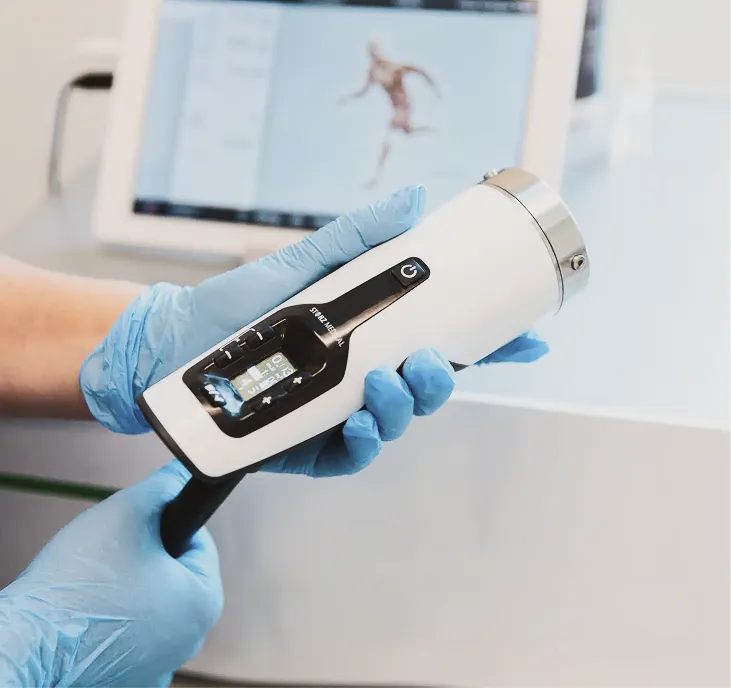
SHOCKWAVE therapy

Shockwave therapy, also known as GainsWave®, uses low-intensity acoustic waves to stimulate new blood vessel growth and tissue regeneration. It’s a safe, non-invasive treatment that improves erectile function, sensation, and long-term performance without medication.

Read More...
SEE TREATMENT
SEE TREATMENT

Vitamin B12 injections

Vitamin B12 injections help boost energy, improve focus and support metabolic health by delivering a potent dose of this essential nutrient directly into your bloodstream. At Gameday we use B12 to support red blood cell and nerve health in men who feel fatigued or need a reliable vitality boost.

Read More...
SEE TREATMENT
SEE TREATMENT

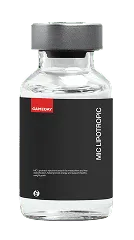
MIC Lipotropic Injections

MIC Lipotropic injections deliver key nutrients designed to support fat metabolism, improve liver function and enhance overall energy. Ideal for men who train hard, travel often or need an extra metabolic boost, this therapy complements your lifestyle and helps your body make the most of your effort.

Read More...
SEE TREATMENT
SEE TREATMENT

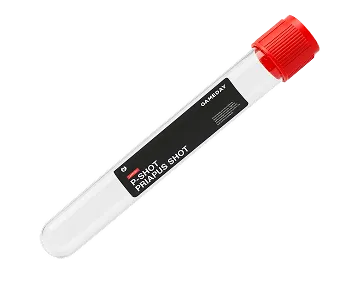
P-Shot®

P-Shot® uses your body’s platelet-rich plasma to repair tissue, enhance blood flow, and increase sensitivity. This regenerative therapy supports stronger, longer-lasting erections while improving overall penile health and performance naturally.

Read More...
SEE TREATMENT
SEE TREATMENT
Fit man holding a Clomid pill bottle, highlighting treatment options for boosting testosterone and supporting men’s wellness.Fit man holding a Clomid pill bottle, highlighting treatment options for boosting testosterone and supporting men’s wellness.

Don’t just read about it, feel the difference.

Thousands of men have already taken the first step toward stronger energy, better performance, and lasting confidence. The science is real — and the results speak for themselves. Ready when you are.
Related Articles
A man running toward the future with the years 2024, 2025, and 2026 on the road, symbolizing progress in testosterone therapy as he moves toward improved health supported by a TRT clinic.

Kickstart 2026 Wellness: Elevate Men's Health with Gameday

As the new year approaches, focus on setting meaningful health goals. Embrace personalized wellness plans to unlock your best self and achieve optimal performance in 2026.
Read article
Read article
A man happily standing on a mountain peak, symbolizing renewed confidence and a fresh start thanks to effective ED treatment options for 2026.

Erectile Dysfunction Treatment Options to Start 2026 on a High Note

Explore the best erectile dysfunction treatment options for 2026, including medications, TRT, shockwave therapy, peptides, and more. Learn how to choose the right plan.
Read article
Read article
Man and woman smiling while lying on a bed, representing improved intimacy through natural ED treatments.

Natural Treatment for Erectile Dysfunction: What Works and What Doesn’t

Explore the best natural treatments for erectile dysfunction, including diet, exercise, supplements, stress reduction, and more. Learn when natural remedies help — and when to see a professional.
Read article
Read article
A man sits with a smile while two healthcare professionals discuss treatment options on a tablet, highlighting the personalized care and attention in choosing a testosterone replacement therapy clinic.

Your Health Matters: Choosing a Testosterone Replacement Therapy Clinic

Have you been feeling tired, find it difficult to sleep, or have a low sex drive? For many men in their late 30s and older, these can be common symptoms associated with low testosterone levels. Also known as low T, this hormonal imbalance can impact several important aspects of your health and your life.
Read article
Read article
A close-up of unhealthy foods like fried chicken, burgers, and sugary drinks that contribute to poor blood circulation and worsen erectile dysfunction symptoms in men.

Worst Foods for Erectile Dysfunction: What to Avoid for Better Performance

Learn which foods can worsen erectile dysfunction. Discover how diet affects blood flow, hormone balance, and performance — and what to eat instead.
Read article
Read article
A man in an office setting takes a call while jotting down notes, reflecting the busy lifestyle of office workers who benefit from testosterone therapy.

Why Office Workers Trust Gameday for Testosterone Therapy

Testosterone therapy can help office workers combat symptoms of low testosterone caused by sedentary lifestyles. Learn how it boosts energy, mood, and performance.
Read article
Read article
A military man smiles while petting his dog, reflecting the improved well-being and vitality that testosterone therapy offers to military members.

Why Gameday Men's Health Testosterone Therapy Empowers Military Members

Military personnel facing low testosterone can see improved strength, endurance, and mental sharpness through testosterone therapy. Understand its benefits and find tailored treatment options to boost performance and quality of life.
Read article
Read article
A young man looks stressed while sitting on the edge of a bed, reflecting on the challenges of performance anxiety, a common issue related to erectile dysfunction in younger men.

ED in Young Men: Overcoming Performance Anxiety and Regaining Confidence

For younger men experiencing ED, psychological factors can negatively impact sexual performance. Read about how to overcome performance anxiety in the bedroom.
Read article
Read article
A man runs through a snowy forest, showing the energy and vitality that Gameday Men’s Health helps men maintain, even during winter workouts.

Unlock Winter Weight Loss with Gameday Men’s Health Solutions for Men

Winter weight gain is a common struggle for many men, but Gameday makes it easy to lose those stubborn pounds with personalized weight loss treatments.
Read article
Read article
Man in good shape stretching, highlighting fitness and weight loss benefits linked with GLP-1 treatments.

Which GLP-1 Is Best for Weight Loss?

GLP-1 medications have quickly become one of the most talked-about breakthroughs in medical weight loss. Originally developed for type 2 diabetes, these injectable treatments have recently been utilized to help patients shed significant weight while improving their metabolic health.
Read article
Read article
Two men stretching outdoors before a workout as a part of their weight loss journey combined with weight loss injections.

What is the Best Injection for Weight Loss? A Men’s Guide

For decades, the weight loss industry has pushed crash diets, endless cardio, and overpriced supplements. Most men who have struggled with weight loss have tried at least one of these “solutions,” only to watch the weight return over time. However, a new approach has been gaining attention in recent years: weight loss injections. When supported by clinical research and administered under medical supervision, these treatments are helping men lose fat more effectively than most fad diets ever could.
Read article
Read article
Man performing push-ups on parallel bars at an outdoor fitness area, showcasing strength and vitality that can be supported and enhanced through treatments like TRT.

What is TRT? A Complete Beginners Guide

An increasing number of men are experiencing testosterone deficiency – a condition often referred to as “low T.” Recent research suggests that testosterone levels may decrease as rapidly as 2% annually after the age of 30.1 Further findings have shown that the prevalence of low T is as high as 38.7% in men ages 45 or older.
Read article
Read article