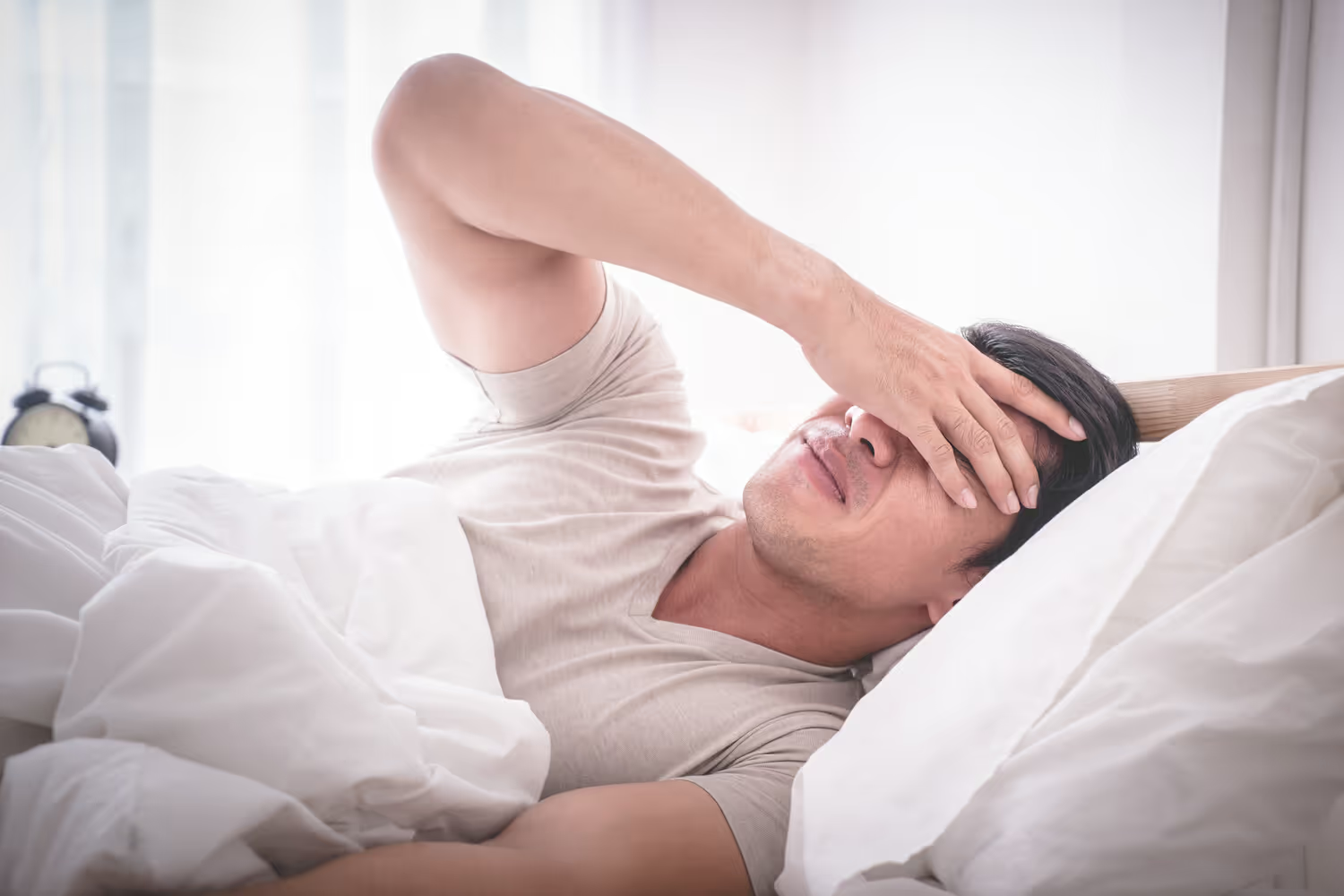
A man lies in bed, hand over his eyes, highlighting hormones and sleep's impact on tiredness.

Hormones and Sleep: How Testosterone, Cortisol, and Melatonin Impact Rest and Recovery

Testosterone Therapy
Anti-Aging & Longevity
May 1st, 2025
1
Min Read

Article / Hormones and Sleep: How Testosterone, Cortisol, and Melatonin Impact Rest and Recovery

Sleep is one of your body’s most critical processes for hormonal regulation and recovery. For men, especially those over 30, the connection between hormones and sleep is even more vital. When sleep suffers, hormone levels decline. When hormones are out of balance, quality sleep becomes harder to achieve.

In this article, we’ll explore how poor sleep disrupts key hormones like testosterone, cortisol, and melatonin—and how imbalances in those same hormones can lead to insomnia, fatigue, and long-term health issues. We’ll also break down practical steps you can take to reclaim both your sleep and your hormonal health.

How Sleep Affects Your Hormones

Your body does some of its most important hormonal work while you sleep. Deep, restorative rest helps regulate testosterone, cortisol, and melatonin—three hormones that control everything from energy and sex drive to stress response and circadian rhythm. When your sleep is interrupted or shortened, these hormones fall out of sync.

Sleep and Testosterone: A Direct Line to Vitality

Testosterone plays a pivotal role in maintaining energy, sex drive, muscle mass, and mood. Yet, few men realize just how closely testosterone is tied to sleep. The majority of daily testosterone production occurs during the night—specifically during deep and REM stages of sleep.

Sleep deprivation and testosterone are closely linked. Even short-term sleep loss has been shown to lower testosterone levels in otherwise healthy men. Research has shown that just one week of limited sleep (five hours per night) can lower daytime testosterone levels by up to 15%. That’s a significant drop with noticeable consequences. (1)

Inadequate sleep can reduce testosterone, which is typically highest around 8 a.m. (2) Lower testosterone can mean less energy, weaker performance in the bedroom, and increased irritability.

Sleep and Cortisol: The Hormone That Won’t Let You Rest

Cortisol, the body’s primary stress hormone, follows a natural circadian rhythm. It should spike in the early morning to help you wake up and gradually decline through the day. However, chronic stress and poor sleep habits throw this rhythm into chaos.

When you don’t sleep well, your cortisol levels remain elevated—especially at night—which may lead to trouble falling asleep, frequent awakening, or waking up feeling unrested despite getting “enough” sleep.

High cortisol levels impair your body’s ability to enter deep, restorative sleep. This not only exhausts your energy reserves but also perpetuates a cycle of stress and poor recovery. High cortisol levels can also cause symptoms such as weight gain, stretch marks, muscle weakness, and elevated blood sugar and pressure. (3)

Sleep and Melatonin: The Sleep Hormone That Needs Structure

Melatonin is the hormone that signals it’s time for rest. Its production is triggered by darkness and follows your body’s internal clock. (4) When melatonin production is delayed—due to artificial light exposure, late nights, or erratic schedules—your sleep quality takes a hit.

Similar to elevated cortisol levels, disputed melatonin production can cause delayed sleep onset, poor sleep continuity, and reduced REM sleep.

Your circadian rhythm relies on consistency and routine. Without it, melatonin production falters—and so does your sleep.

Other Hormonal Players

While testosterone, cortisol, and melatonin are most frequently thought of when it comes to sleep and hormones, it’s important to note that sleep also influences other hormones.

Growth hormone, for example, is released during sleep and supports muscle repair and fat metabolism. A lack of quality sleep can cause less growth hormone to be released during its highest release time, slow-wave sleep. This imbalance may cause issues with growth or other metabolic processes.

Sleep also has an impact on insulin. Poor sleep impairs insulin sensitivity, which can increase your risk for weight gain and type 2 diabetes.

Low Testosterone Disrupts Restorative Sleep

Low testosterone and sleep are closely connected. Testosterone contributes to deeper, more restorative stages of sleep, and men with low testosterone commonly report symptoms like insomnia, fragmented sleep, and daytime fatigue. (5) Testosterone contributes to deeper sleep, particularly during slow-wave sleep (SWS) and REM sleep—two phases essential for physical repair, memory consolidation, and emotional processing.

Clinical studies have confirmed that men with low T spend less time in the deeper phases of sleep and experience more frequent nighttime awakenings. (6) Over time, this sleep fragmentation can lead to cumulative sleep debt—even if you’re technically “in bed” for 7 to 8 hours a night. You may wake up feeling groggy, mentally foggy, or like you’ve barely slept at all. That’s because your body didn’t get the regenerative benefits it needs from deeper sleep cycles.

Low testosterone also compounds other issues that interfere with rest. It’s been linked to sleep apnea—a condition where breathing repeatedly stops and starts during sleep—which further interrupts deep sleep and oxygen flow. (7) Additionally, low T can lead to increased irritability, anxiety, and mood swings, all of which contribute to restlessness at night.

In many cases, testosterone replacement therapy—when medically supervised and tailored to individual needs—can significantly improve sleep quality. Men who undergo treatment often report not just better sleep but also more energy during the day, improved focus, and enhanced mood.

If you’re waking up tired, even after eight hours in bed, low testosterone could be the missing link. Getting your levels checked is a simple step that could make a world of difference in how you sleep, feel, and perform—day and night.

Signs of Hormone-Related Sleep Problems

Not sure whether hormones are sabotaging your sleep? The signs are often subtle at first but become more disruptive over time. Many men chalk them up to stress, aging, or a busy lifestyle—but hormone imbalance is frequently the underlying issue. Common red flags include:

  • Chronic fatigue despite adequate sleep hours
  • Persistent insomnia or frequent night-waking
  • Declining sex drive or erectile dysfunction
  • Mood swings, low motivation, or mild depression
  • Gradual weight gain or decreased muscle mass

When these issues show up together, it’s your body’s way of signaling that something is off. They’re potential warning signs that action is needed to restore your body to its optimal functionality. In many cases, simple hormone testing can reveal the root cause.”

The earlier you identify and address hormonal imbalances, the easier it is to reclaim restful sleep, sharper focus, and consistent energy.

How to Improve Hormonal Balance and Sleep

You don’t necessarily need a complete life overhaul to improve your sleep and hormone health. Small, targeted changes can yield significant improvements. Your body thrives on consistency, and even subtle lifestyle adjustments can help reset your internal clock and restore hormonal balance. Starting with these expert-backed strategies can make a meaningful difference in how you sleep and feel:

  • Follow a consistent sleep routine: Wake and sleep at the same times daily—even on weekends. This helps reinforce your natural circadian rhythm, supporting stable melatonin and cortisol patterns.
  • Limit stress before bed: Practice deep breathing, meditation, or reading to lower cortisol levels and prepare your mind for rest.
  • Avoid screens at night: Blue light delays melatonin production; use blue light filters or shut down devices at least an hour before bed.
  • Exercise earlier in the day: Morning or afternoon workouts help regulate testosterone, improve sleep quality, and reduce evening cortisol spikes.
  • Address underlying issues: Conditions like sleep apnea, chronic stress, or clinically low testosterone can severely disrupt your sleep architecture and recovery cycle. Testosterone replacement therapy (TRT) may exacerbate sleep apnea in some individuals and should be prescribed with care, especially in those with undiagnosed or untreated sleep-disordered breathing.

It’s also essential to get your hormones tested to gain a holistic view of your overall health. Hormonal imbalances often fly under the radar until symptoms worsen. Knowing where your testosterone and cortisol levels stand is the first step toward meaningful, personalized improvement—especially if sleep problems have become a regular issue. At Gameday Men’s Health, we make this process fast, simple, and confidential.

At Gameday Men’s Health, we offer fast, confidential hormone testing and customized Testosterone Health programs designed to help men restore balance, boost energy, and reclaim restful sleep. Learn more about hormone testing and testosterone health with Gameday.

Reclaiming Rest: The Hormone–Sleep Feedback Loop

Your sleep and hormones don’t operate in isolation—they’re in constant conversation. Sleep deprivation or poor sleep drives hormonal imbalance, and those imbalances make quality rest harder to achieve. For men navigating the pressures of modern life, this feedback loop can quickly spiral if left unchecked.

The good news is that the cycle can be broken. By understanding how hormones like testosterone, cortisol, and melatonin influence your sleep—and vice versa—you can take meaningful steps toward improved rest, performance, and overall well-being.

Don’t wait until symptoms worsen. Take control of your sleep and hormones today by scheduling a hormone test or exploring testosterone therapy at your local Gameday Men’s Health.


Testosterone Cypionate

Testosterone Cypionate provides long-acting hormone support through periodic injections that maintain steady testosterone levels. This option enhances muscle strength, bone health and overall vitality. Beneficial for men with confirmed hormone deficiency and performance-focused goals.

Read More...
SEE TREATMENT
SEE TREATMENT

Oral TRT (KYZATREX®)

This bioidentical oral testosterone formulation delivers stable hormone levels designed to restore energy, mood and masculine performance. It’s an ideal option for men seeking the convenience of a pill with the clinically proven benefits of medically supervised testosterone replacement.

Read More...
SEE TREATMENT
SEE TREATMENT

Testoterone Pellets

Testosterone pellets offer a slow-release solution for consistent hormone balance over months at a time. Once implanted beneath the skin, these pellets provide steady testosterone delivery, reducing the need for frequent dosing and helping men maintain energy, mood and drive with minimal disruption.

Read More...
SEE TREATMENT
SEE TREATMENT

Sermorelin

Sermorelin stimulates your body’s natural growth hormone production, supporting lean muscle growth, enhanced recovery, improved sleep and greater vitality. Ideal for men seeking a restorative, lifestyle-focused approach to aging well and maintaining energy, strength and overall wellness.

Read More...
SEE TREATMENT
SEE TREATMENT

Tirzepatide

Tirzepatide is a dual-action metabolic therapy that supports weight control by improving insulin sensitivity, reducing appetite, and enhancing satiety.
It helps regulate blood sugar levels and supports steady fat loss when combined with proper nutrition and lifestyle habits. This option is ideal for men seeking a guided, medically supervised approach to sustainable weight-management results.

Read More...
SEE TREATMENT
SEE TREATMENT

GLP-1 Therapy

GLP-1 therapy supports appetite regulation and blood sugar control to help men achieve steady, sustainable weight loss and improved metabolic health. For men who have tried diet and exercise yet still struggle with excess weight or energy dips, GLP-1 offers a medically-supervised option that aligns with performance, wellness and hormonal balance.

Read More...
SEE TREATMENT
SEE TREATMENT

SHOCKWAVE therapy

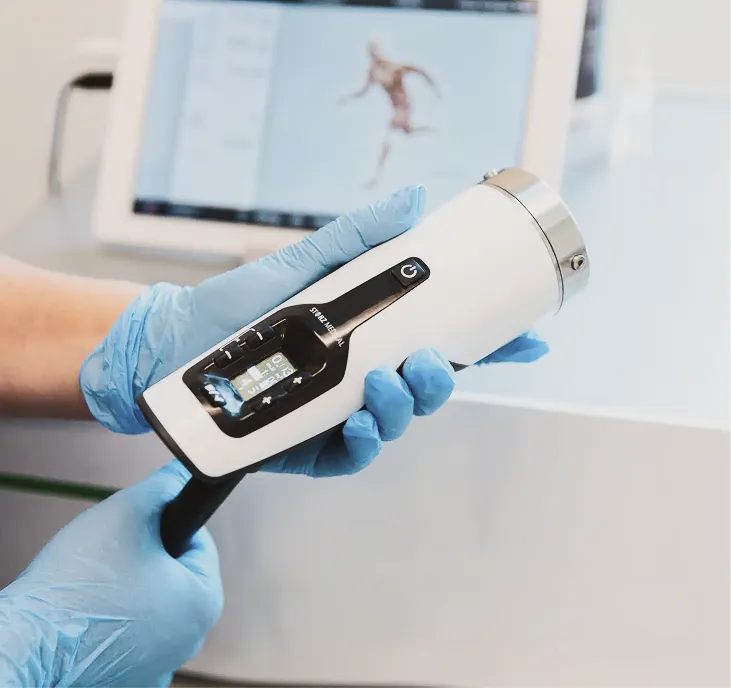
Shockwave therapy, also known as GainsWave®, uses low-intensity acoustic waves to stimulate new blood vessel growth and tissue regeneration. It’s a safe, non-invasive treatment that improves erectile function, sensation, and long-term performance without medication.

Read More...
SEE TREATMENT
SEE TREATMENT

Vitamin B12 injections

Vitamin B12 injections help boost energy, improve focus and support metabolic health by delivering a potent dose of this essential nutrient directly into your bloodstream. At Gameday we use B12 to support red blood cell and nerve health in men who feel fatigued or need a reliable vitality boost.

Read More...
SEE TREATMENT
SEE TREATMENT

MIC Lipotropic Injections

MIC Lipotropic injections deliver key nutrients designed to support fat metabolism, improve liver function and enhance overall energy. Ideal for men who train hard, travel often or need an extra metabolic boost, this therapy complements your lifestyle and helps your body make the most of your effort.

Read More...
SEE TREATMENT
SEE TREATMENT

P-Shot®

P-Shot® uses your body’s platelet-rich plasma to repair tissue, enhance blood flow, and increase sensitivity. This regenerative therapy supports stronger, longer-lasting erections while improving overall penile health and performance naturally.

Read More...
SEE TREATMENT
SEE TREATMENT
Fit man holding a Clomid pill bottle, highlighting treatment options for boosting testosterone and supporting men’s wellness.Fit man holding a Clomid pill bottle, highlighting treatment options for boosting testosterone and supporting men’s wellness.

Don’t just read about it, feel the difference.

Thousands of men have already taken the first step toward stronger energy, better performance, and lasting confidence. The science is real — and the results speak for themselves. Ready when you are.

Related Articles

A man running toward the future with the years 2024, 2025, and 2026 on the road, symbolizing progress in testosterone therapy as he moves toward improved health supported by a TRT clinic.

Kickstart 2026 Wellness: Elevate Men's Health with Gameday

As the new year approaches, focus on setting meaningful health goals. Embrace personalized wellness plans to unlock your best self and achieve optimal performance in 2026.
Read article
Read article
A man happily standing on a mountain peak, symbolizing renewed confidence and a fresh start thanks to effective ED treatment options for 2026.

Erectile Dysfunction Treatment Options to Start 2026 on a High Note

Explore the best erectile dysfunction treatment options for 2026, including medications, TRT, shockwave therapy, peptides, and more. Learn how to choose the right plan.
Read article
Read article
Man and woman smiling while lying on a bed, representing improved intimacy through natural ED treatments.

Natural Treatment for Erectile Dysfunction: What Works and What Doesn’t

Explore the best natural treatments for erectile dysfunction, including diet, exercise, supplements, stress reduction, and more. Learn when natural remedies help — and when to see a professional.
Read article
Read article
A man sits with a smile while two healthcare professionals discuss treatment options on a tablet, highlighting the personalized care and attention in choosing a testosterone replacement therapy clinic.

Your Health Matters: Choosing a Testosterone Replacement Therapy Clinic

Have you been feeling tired, find it difficult to sleep, or have a low sex drive? For many men in their late 30s and older, these can be common symptoms associated with low testosterone levels. Also known as low T, this hormonal imbalance can impact several important aspects of your health and your life.
Read article
Read article
A close-up of unhealthy foods like fried chicken, burgers, and sugary drinks that contribute to poor blood circulation and worsen erectile dysfunction symptoms in men.

Worst Foods for Erectile Dysfunction: What to Avoid for Better Performance

Learn which foods can worsen erectile dysfunction. Discover how diet affects blood flow, hormone balance, and performance — and what to eat instead.
Read article
Read article
Man at desk smiling while on phone with notepad in hand.

Why Office Workers Trust Gameday for Testosterone Therapy

Testosterone therapy can help office workers combat symptoms of low testosterone caused by sedentary lifestyles. Learn how it boosts energy, mood, and performance.
Read article
Read article
Military man in casual wear relaxing on couch with dog in a warm, cozy room.

How Gameday’s TRT Empowers Military Members

Military personnel facing low testosterone can see improved strength, endurance, and mental sharpness through testosterone therapy. Understand its benefits and find tailored treatment options to boost performance and quality of life.
Read article
Read article
A muscular man preparing a testosterone injection, representing the importance of safe, medically supervised testosterone replacement therapy.

Why Is Testosterone a Controlled Substance? Understanding the Law and Safety

Learn why testosterone is a controlled substance, how it’s regulated, and why medical supervision is essential for safe and legal TRT.
Read article
Read article
A young man sits on a bed, hand on head, reflecting on ED in young men, with a woman blurred in the background.

ED in Young Men: Overcoming Performance Anxiety and Regaining Confidence

For younger men experiencing ED, psychological factors can negatively impact sexual performance. Read about how to overcome performance anxiety in the bedroom.
Read article
Read article
Runner in a red jacket jogs through a snowy forest, an ideal scene for winter weight loss.

Unlock Winter Weight Loss with Gameday Men’s Health Solutions for Men

Winter weight gain is a common struggle for many men, but Gameday makes it easy to lose those stubborn pounds with personalized weight loss treatments.
Read article
Read article
Man in good shape stretching, highlighting fitness and weight loss benefits linked with GLP-1 treatments.

Which GLP-1 Is Best for Weight Loss?

GLP-1 medications have quickly become one of the most talked-about breakthroughs in medical weight loss. Originally developed for type 2 diabetes, these injectable treatments have recently been utilized to help patients shed significant weight while improving their metabolic health.
Read article
Read article
Two men stretching outdoors before a workout as a part of their weight loss journey combined with weight loss injections.

What is the Best Injection for Weight Loss? A Men’s Guide

For decades, the weight loss industry has pushed crash diets, endless cardio, and overpriced supplements. Most men who have struggled with weight loss have tried at least one of these “solutions,” only to watch the weight return over time. However, a new approach has been gaining attention in recent years: weight loss injections. When supported by clinical research and administered under medical supervision, these treatments are helping men lose fat more effectively than most fad diets ever could.
Read article
Read article